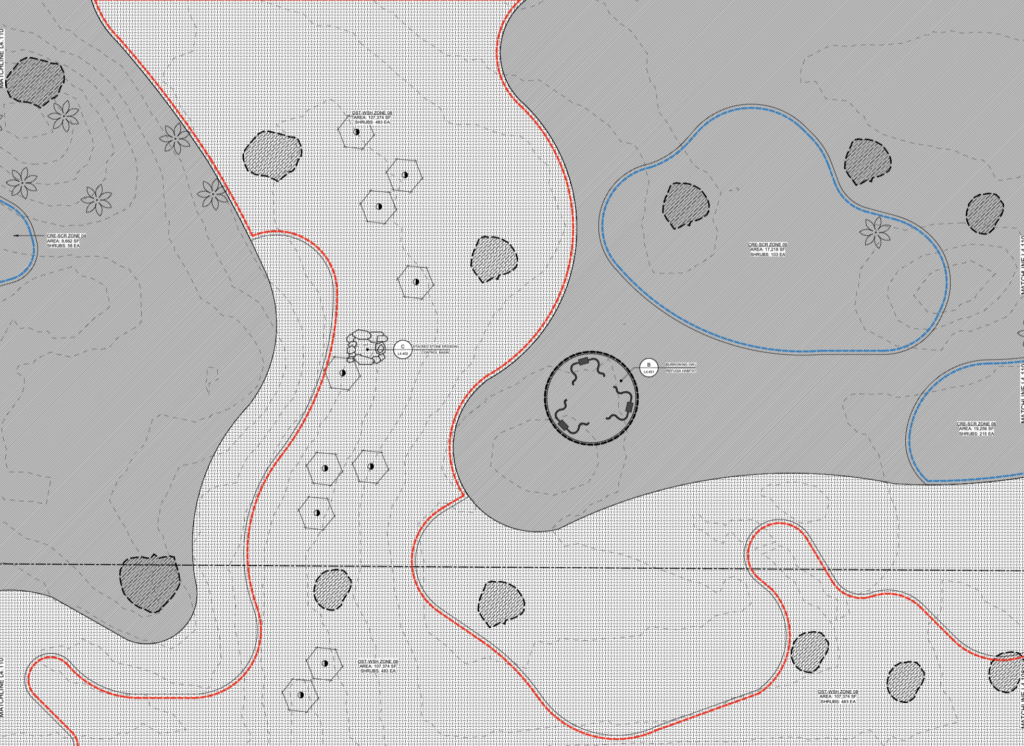
Restoring a landscape like Prescott Preserve is not a single event — it is a careful, long-term process that unfolds over many years. Over the past six months, Oswit Land Trust has been quietly laying the groundwork for a restoration effort rooted in science, planning, and long-term stewardship.
Laying the Groundwork
The early months of the project have focused on planning, coordination, and preparation. Much like restoring a house, this first phase involves assembling the right team, developing restoration plans, and securing the necessary permits before major visible work can begin.
While this stage may not bring immediate changes to the landscape, it is essential groundwork that allows restoration to move forward responsibly and successfully. Significant on-the-ground work cannot begin until permits are approved, and we appreciate the community’s patience as this process moves forward.
Listening to the Land
As planning progressed, the restoration team spent considerable time evaluating site conditions across the Preserve. Seasonal weather patterns, existing infrastructure, and ecological constraints all influence how restoration can occur.
Rather than rushing ahead, the focus during these first months has been on understanding the land — its opportunities, its limitations, and the most effective ways to support recovery in a healthy and resilient manner.
Planting with the Seasons in Mind
Following receipt of the Notice to Proceed for restoration on July 2, 2025, availability of locally appropriate native plants and seed at regional nurseries and seed banks was extremely limited. While we were able to secure several hundred native plants, Oswit Land Trust is actively working to procure and grow thousands of additional plants and seeds to support future restoration phases.
The timing of restoration planting is critical, particularly in desert environments. As summer approaches, conditions become far less favorable for installing new trees, shrubs, and seed. While a limited number of demonstration plantings may occur earlier, the most visible and substantial planting efforts are planned for fall 2026, when cooler temperatures and seasonal moisture provide significantly better conditions for long-term plant survival.
Avoiding large-scale planting during periods of extreme heat is a best practice in desert restoration and helps ensure healthier, more resilient vegetation over time.
Growing the Future: Native Plants
One of the most exciting milestones during this period has been the creation and expansion of the Prescott Preserve Native Plant Nursery. When locally appropriate native plant material proved difficult to source, the team responded by growing it themselves.
Native plants are now being propagated from seed and cuttings, building a living inventory that will eventually return to the Preserve. This work supports pollinators, birds, and wildlife while ensuring that restoration plants are well adapted to local conditions.
The nursery has also become a place of learning, offering volunteers and community members hands-on opportunities to learn about native plants and desert ecology.
Understanding the State Grant
There has been some understandable confusion in the community about how large restoration grants work. Prescott Preserve’s restoration is supported by a major grant from the California Wildlife Conservation Board. This funding is primarily provided through a cost-reimbursement process, meaning Oswit Land Trust is reimbursed for eligible expenses over several years as work is completed.
The full grant amount was not received upfront. As the project progresses, documentation is submitted for completed work and reimbursement follows. In some cases, advance payments may be used to support major infrastructure needs, but all funding is tied to specific restoration activities and oversight.
Restoration in Phases
Restoration at Prescott Preserve will occur in multiple phases. The entire Preserve will not be restored all at once. Instead, progress will be visible in specific areas over time as each phase moves forward.
This phased approach allows the restoration team to focus resources carefully, adapt to site conditions, and ensure that each area is restored thoughtfully and sustainably.
Infrastructure and Bridge Repairs
Several bridges within the Preserve require repair, and this work remains a priority. Oswit Land Trust is currently soliciting bids and carefully evaluating proposals. Costs for this type of work can vary widely, and taking time to assess bids helps ensure fiscal responsibility and long-term safety.
Bridge repairs will largely be funded through Friends of Prescott Preserve and individual sponsors rather than state restoration grant funds.
Invasive Species Management
As many community members have noticed, the Preserve is currently experiencing a significant outbreak of London rocket mustard following unusually wet conditions. Invasive species management is an ongoing challenge in desert ecosystems.
In past years, Oswit Land Trust has successfully addressed invasive species such as tumbleweed and castor bean. Current efforts combine hand removal, mowing, and targeted treatments to reduce invasive plants while protecting native habitat. This work is actively underway and will continue as conditions require.
Community, Education, and Trust
Prescott Preserve exists within a community, and restoration succeeds best when people understand what’s happening and why. Over the past six months, Oswit Land Trust has remained engaged with neighbors, volunteers, and partners through educational programs, guided talks, and ongoing communication.
These conversations help build understanding, trust, and shared stewardship of the Preserve.
Looking Ahead
The first six months of restoration were about preparation — setting the stage so future work is effective, resilient, and lasting. With planning in place, native plants growing, and strong partnerships forming, Prescott Preserve is positioned to move thoughtfully into the next phase of restoration.
Restoration is not always immediately visible, but its success depends on the work done early and carefully. Oswit Land Trust is grateful for the community’s patience, curiosity, and continued support as this important work moves forward.